
The Power of Sound Beyond the Screen
When people think about memorable movies, they often remember breathtaking visuals, compelling performances, and unforgettable stories. However, one of the most powerful elements of filmmaking is something audiences often take for granted—sound. Music, dialogue, and sound effects work together to create an emotional experience that connects viewers to every scene. Without carefully crafted sound design, even the most visually stunning film can feel flat or incomplete.
From subtle background sounds to sweeping orchestral scores, audio plays a vital role in shaping how audiences experience a story.
Music Creates an Emotional Connection
Music is one of the strongest storytelling tools in cinema. A well-composed score can instantly communicate emotions that words alone cannot express. It tells audiences when to feel hopeful, anxious, joyful, or heartbroken, often before a character says a single line.
A quiet piano melody can make a dramatic moment feel deeply personal, while a fast-paced orchestral arrangement can build excitement during an action sequence. Even silence, when used intentionally, can create suspense and anticipation. By matching the emotional tone of each scene, music strengthens the connection between viewers and the story unfolding on screen.
Sound Design Brings Stories to Life
Sound design goes far beyond adding explosions or footsteps. It creates the environment in which a story exists. Every sound, from the rustling of leaves to the distant rumble of thunder, helps establish realism and immerse audiences in the world of the film.
Thoughtful sound design also directs attention to important details. A subtle creaking door, an echo in a hallway, or the hum of a crowded city can reveal mood, location, and tension without requiring additional dialogue. These carefully layered sounds help make fictional worlds feel authentic and believable.
Balancing Every Audio Element
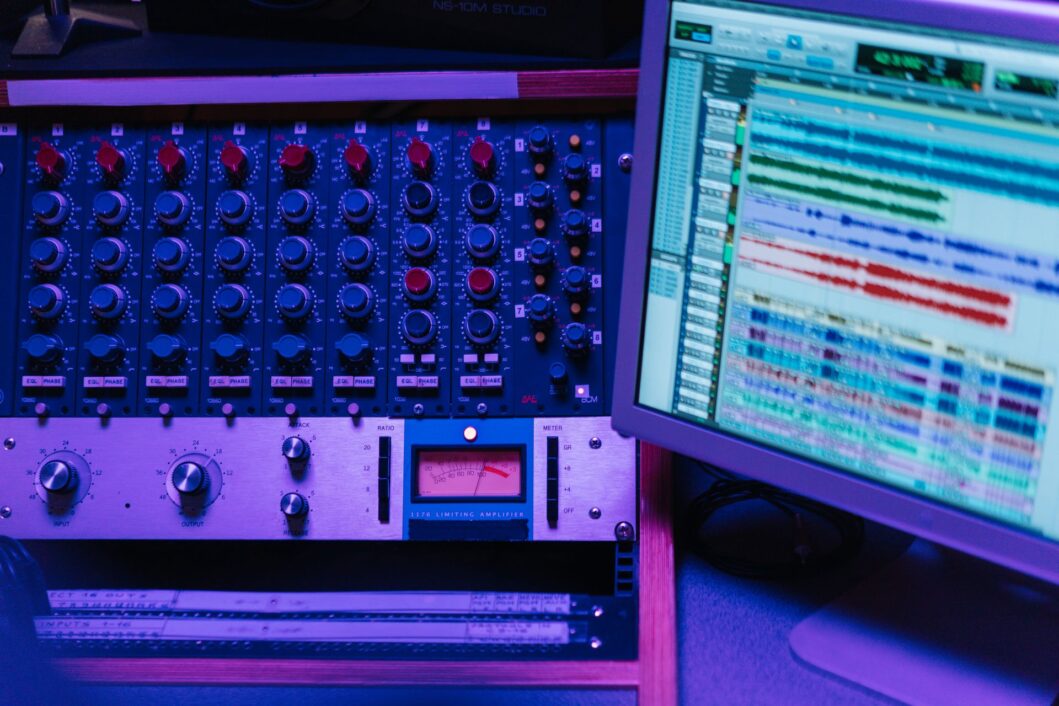
Creating impactful film audio requires more than recording great sounds. Dialogue, music, and sound effects must be carefully balanced so they complement rather than compete with one another. This process, often completed during the final stages of post-production, ensures that every element supports the story while remaining clear and natural.
Professional audio teams spend countless hours refining each scene, adjusting levels, enhancing clarity, and blending every component into a seamless listening experience. This attention to detail allows audiences to stay fully engaged without being distracted by technical imperfections.
Great Audio Makes Great Storytelling
The emotional impact of a film depends on more than its visuals. Exceptional sound design and music transform ordinary scenes into unforgettable cinematic moments by deepening emotions, creating atmosphere, and guiding audience reactions. As filmmaking technology continues to evolve, the importance of high-quality audio remains constant. When music and sound are thoughtfully crafted, they become invisible storytellers, helping every scene leave a lasting impression long after the credits roll.
About the Author
