
Turning Ideas Into Sound
Every unforgettable film begins with a vision, but bringing that vision to life requires more than stunning visuals and talented actors. Sound is one of the most important elements of cinematic storytelling, helping audiences connect emotionally with every scene. From the first recording session in the studio to the final mix heard in theaters, creating cinematic audio is a detailed process that combines creativity, technology, and collaboration.
Each stage of audio production contributes to the overall experience, ensuring that every word, musical note, and sound effect enhances the story.
Recording the Building Blocks
The journey starts in the recording studio, where composers, musicians, voice actors, and audio engineers work together to capture high-quality sound. Composers create original scores that reflect the mood and emotion of the film, while musicians perform the pieces that will later become part of the soundtrack.
At the same time, dialogue is carefully recorded to ensure every line is clear and expressive. If needed, actors may return to the studio during post-production to re-record dialogue through a process known as Automated Dialogue Replacement (ADR). This helps improve audio quality and replace lines affected by background noise during filming.
These recordings provide the foundation for the film’s complete audio experience.
Building the World Through Sound Design
Once the primary recordings are complete, sound designers begin creating the audio environment of the film. They add footsteps, weather effects, vehicle sounds, crowd noise, and countless other details that make scenes feel realistic and immersive.
Many of these sounds are created using Foley techniques, where artists recreate everyday noises in a controlled studio environment. Others are recorded in real-world locations or produced using advanced digital tools. Together, these elements give depth and authenticity to every setting, allowing audiences to feel as though they are inside the story.
Bringing Everything Together
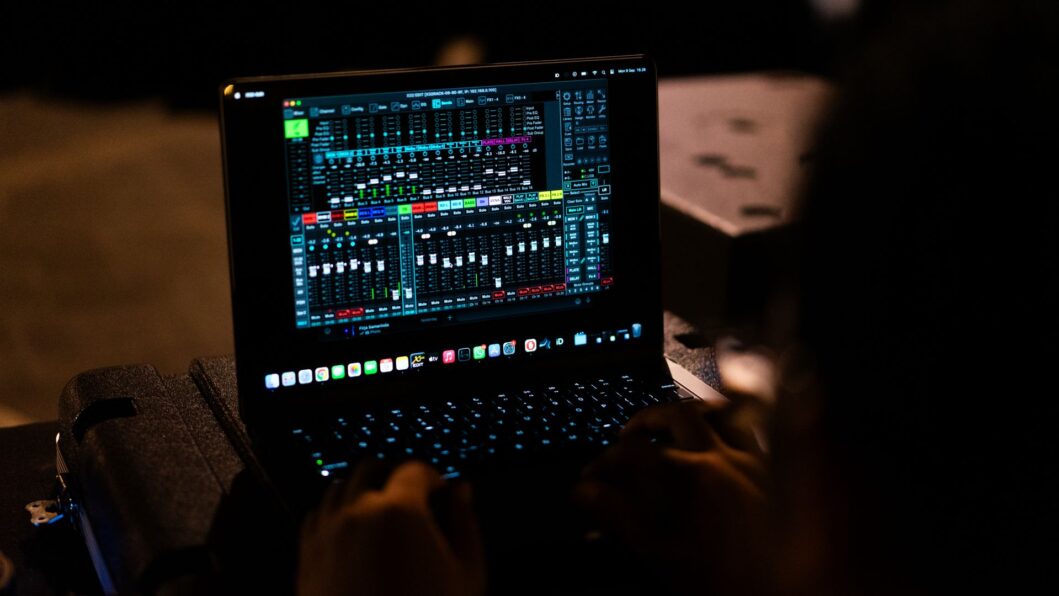
After dialogue, music, and sound effects have been created, the project moves into the re-recording mixing stage. This is where all audio elements are carefully balanced to produce a seamless soundtrack. Mixers adjust volume levels, timing, equalization, and surround sound placement to ensure that dialogue remains clear, music supports the emotion, and sound effects enhance the action without overwhelming the audience.
This stage requires both technical precision and creative judgment, as every decision influences how viewers experience the film.
Crafting an Unforgettable Cinematic Experience
The journey from recording studio to silver screen is a collaborative effort involving composers, musicians, sound designers, editors, engineers, and re-recording mixers. Each professional contributes specialized skills to create a soundtrack that supports the story and strengthens its emotional impact. When every audio element is thoughtfully crafted and perfectly balanced, sound becomes more than a technical feature—it becomes an essential part of the storytelling, transforming ordinary scenes into memorable cinematic moments that stay with audiences long after the film ends.
About the Author
