Film music production has undergone a remarkable transformation over the past century, evolving from simple live accompaniments in theaters to highly sophisticated, digitally engineered scores that define modern cinema. This evolution reflects not only advancements in technology but also the growing recognition of music as a central storytelling tool in filmmaking.
The Early Days of Live Musical Accompaniment
In the silent film era, movies were often accompanied by live musicians performing in theaters. Pianists, organists, or small ensembles would improvise or follow cue sheets to match the mood of the on-screen action. Music served a functional purpose—masking projector noise and enhancing emotional engagement—but it was not yet integrated into the filmmaking process itself.
Despite its simplicity, this early form of film music laid the foundation for the idea that sound could shape audience emotion and narrative understanding.
The Rise of Orchestral Film Scoring
With the arrival of synchronized sound in the late 1920s, film music production entered a new era. Composers began writing full orchestral scores specifically designed for films. This shift allowed music to be precisely timed to scenes, characters, and emotional beats.
Hollywood studios soon established dedicated music departments, and iconic composers began shaping the language of cinematic sound. Orchestral scoring became the standard, bringing depth, drama, and emotional resonance to films across genres.
The Expansion of Recording Studio Techniques
As recording technology advanced, the role of the studio became increasingly important. Multi-track recording, improved microphones, and advanced mixing consoles allowed composers and engineers to experiment with richer textures and more complex arrangements.
Film music production became a collaborative studio process involving composers, orchestrators, conductors, and sound engineers. This period also saw greater experimentation with blending traditional orchestration and modern instrumentation.
The Digital Revolution in Film Music
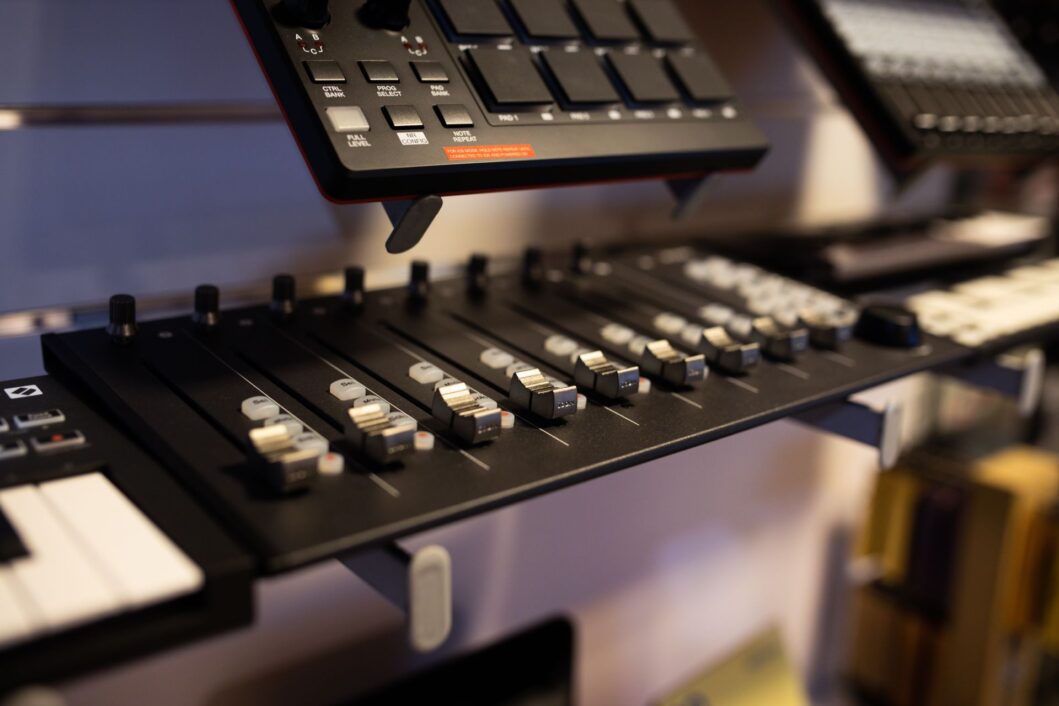
The introduction of digital audio workstations (DAWs) revolutionized film music production. Composers could now create entire scores using virtual instruments, synthesizers, and digital samples without requiring a full orchestra for initial composition.
This technological shift made film scoring more accessible and flexible, allowing for rapid revisions and more creative experimentation. It also enabled tighter integration between music editing and visual effects.
Modern Film Music: A Fusion of Art and Technology
Today, film music production is a highly sophisticated blend of artistry and technology. Large orchestras are still used for major productions, but they are often combined with digital elements, electronic sound design, and advanced mixing techniques.
Composers and scoring mixers work closely with directors to ensure that music enhances storytelling at every level. The result is a seamless audio-visual experience that deeply engages modern audiences.
Conclusion
From live piano performances in silent theaters to complex digital orchestral productions, film music has evolved into a powerful storytelling force. Its journey from recording studio innovation to cinematic artistry highlights its enduring role in shaping the emotional core of the silver screen.
About the Author
