
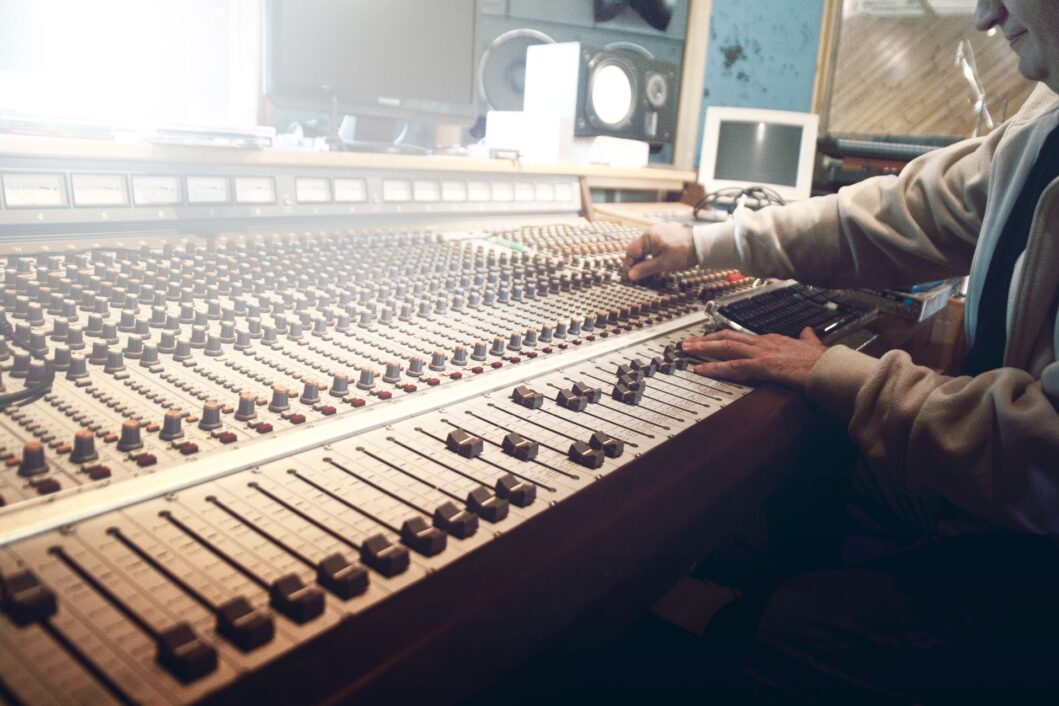
Sound plays a fundamental role in creating an engaging cinematic experience. While visuals communicate much of a film’s story, audio adds depth, atmosphere, and emotional meaning to every scene. Two important elements behind a film’s audio experience are sound design and music production. Although they serve different purposes, these disciplines work together to create a cohesive soundtrack that supports the director’s creative vision.
Understanding Sound Design and Music Production
Sound design involves creating, recording, editing, and arranging audio elements that bring a film’s environment to life. These elements include footsteps, explosions, environmental sounds, mechanical noises, and other effects that make scenes feel realistic or imaginative.
Music production, on the other hand, focuses on creating and developing the musical elements of a film. This includes composing melodies, arranging instruments, recording performances, and mixing musical tracks to establish the desired emotional atmosphere.
For example, a suspenseful scene might combine subtle background music with distant footsteps, atmospheric sounds, and unexpected audio effects. Each element contributes something different to the overall experience.
Creating Emotional Connections Through Audio
One of the biggest advantages of combining sound design and music production is the ability to influence audience emotions.
Music can communicate sadness, excitement, tension, or happiness without requiring dialogue. Sound effects make these emotions more convincing by providing context and realism.
In a horror film, low-frequency sounds, unsettling musical textures, and sudden audio transitions can increase tension. In an action sequence, energetic music combined with carefully designed explosions, impacts, and movement sounds creates excitement and intensity.
When these elements are properly coordinated, they help audiences become more emotionally involved in the story.
The Importance of Collaboration
Sound designers, composers, music producers, and mixing engineers must communicate throughout the production process. Their work often overlaps, making coordination essential.
For instance, a sound designer may create an atmospheric background that occupies specific audio frequencies. The music producer must consider those elements when arranging and mixing the score to prevent unnecessary frequency conflicts.
Audio professionals also work with dialogue mixers to maintain clear speech while preserving the impact of background music and sound effects.
Modern Technology and Audio Production
Digital audio workstations such as Pro Tools, Logic Pro, and Nuendo have made collaboration between sound designers and music producers more efficient. These platforms allow professionals to edit, arrange, synchronize, and mix multiple audio tracks within a single production environment.
Surround sound and immersive formats such as Dolby Atmos provide additional creative opportunities. They allow audio professionals to position sounds around the listener, creating a more realistic and engaging cinematic environment.
Conclusion
Sound design and music production are essential partners in modern filmmaking. While sound design builds the audio environment, music production adds emotional depth and musical identity. Their successful integration creates a balanced soundtrack that strengthens storytelling, enhances realism, and keeps audiences connected to the film. Ultimately, great filmmaking depends not only on what viewers see but also on what they hear.
About the Author
