
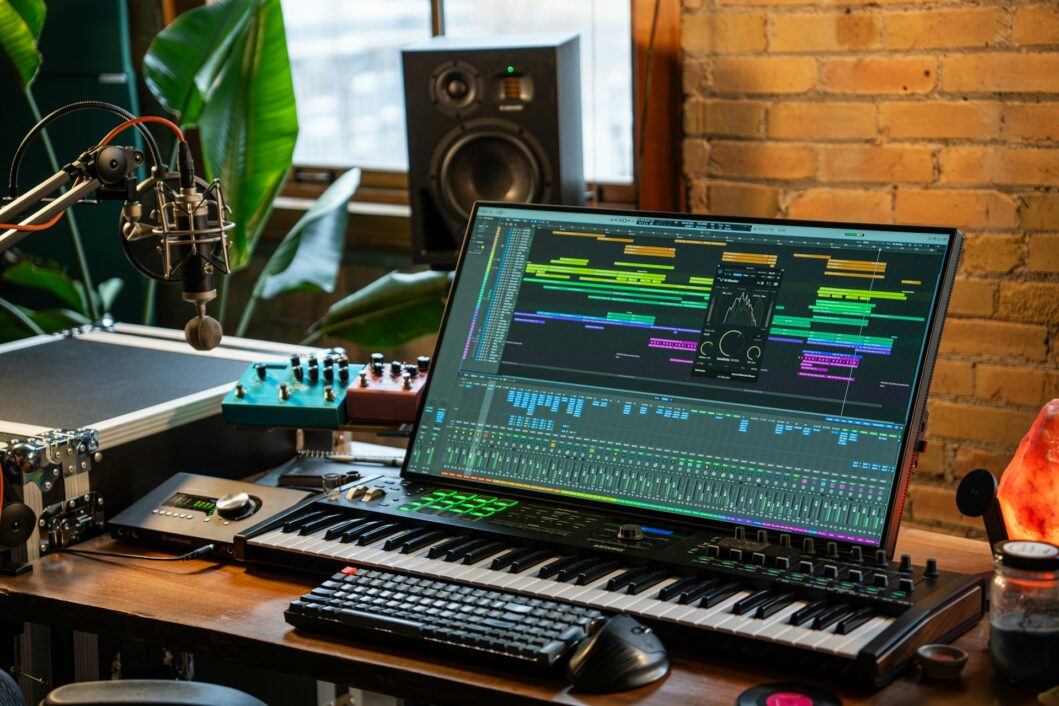
In the world of cinematic sound, composers create the music—but scoring mixers bring that music to life. Working behind the console in recording studios and post-production facilities, they transform raw musical recordings into the polished, emotionally rich scores audiences hear in theaters. Their role is essential to shaping a film’s emotional identity, yet their contribution is often one of the least visible parts of the filmmaking process.
Translating Musical Concepts Into Sonic Reality
A scoring mixer’s first responsibility is understanding the composer’s creative intent. During recording sessions, hundreds of instrumental tracks may be captured independently—from string sections and brass to synthesizers, percussion, and solo instruments. The scoring mixer refines, balances, and blends these elements into a cohesive musical experience. They must interpret instructions about tone, mood, and emotion and convert them into technical decisions about volume, equalization, panning, and reverb. Every adjustment, no matter how subtle, alters how the audience connects with a scene.
Collaborating Across the Film Production Team
Scoring mixers also work closely with directors, producers, orchestrators, and music editors to ensure that the score aligns with the broader storytelling goals of the film. This collaboration helps determine the role music will play at key cinematic moments. For example, a score might need to remain soft and atmospheric during an emotional conversation or swell dramatically during a climactic action sequence. The scoring mixer ensures that the music supports the narrative without overpowering dialogue, sound effects, or ambience. Their expertise helps maintain balance within the overall soundscape.
Crafting Immersive Audio for Modern Film
As sound technology evolves, the responsibilities of scoring mixers have become increasingly sophisticated. They must prepare scores for multiple formats—from traditional stereo to Dolby Atmos and other immersive surround-sound systems. Each format affects how music surrounds and interacts with the listener. Scoring mixers strategically place musical elements in the sound field, creating depth, movement, and a sense of space. When done correctly, the music becomes a physical experience rather than simply background sound.
Where Technical Skill Meets Artistic Sensitivity
The role of a scoring mixer lies at the intersection of creativity and engineering. They must possess deep musical sensitivity, technical mastery, and an instinct for emotional storytelling. Without their expertise, even the most beautifully composed music would fail to reach its full cinematic potential. Behind the console, scoring mixers act as the final guardians of the score—ensuring that the composer’s vision is preserved, enhanced, and delivered to audiences exactly as intended.
About the Author
