Modern filmmaking depends on more than powerful visuals and compelling performances. Sound has become an essential part of the cinematic experience, and advances in audio technology are giving filmmakers and composers new ways to shape how audiences experience a story. From sophisticated digital mixing to immersive audio formats, advanced techniques are transforming the way film scores and soundtracks are recorded, edited, mixed, and presented.
What Are Advanced Audio Techniques in Film Production?
Advanced audio techniques include a wide range of digital tools and production methods used to capture, edit, mix, and deliver film sound. Modern scoring environments can handle large numbers of individual tracks, allowing mixers to work with detailed orchestral recordings, electronic elements, vocals, sound effects, and other musical layers.
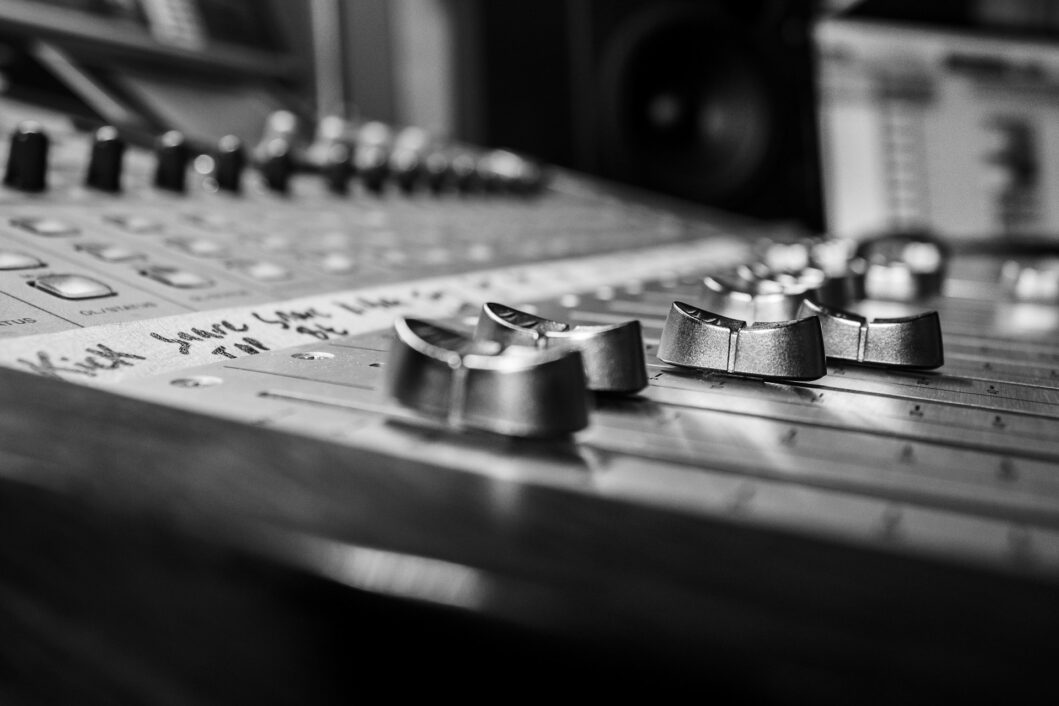
Digital audio workstations also provide precise control over volume, dynamics, equalization, effects, automation, and spatial placement. These tools allow professionals to refine individual elements without compromising the overall character of the musical performance.
How Is Technology Improving Film Score Mixing?
Modern mixing technology allows scoring mixers to make highly detailed adjustments throughout a soundtrack. Individual instruments or sections can be carefully balanced so that melodies, harmonies, rhythms, and textures remain clear.
Automation is particularly valuable because musical levels can change naturally as a scene develops. A score can gradually build in intensity, become more subtle during dialogue, or expand during a dramatic sequence. These adjustments help the music follow the emotional rhythm of the story.
How Are Immersive Audio Formats Changing Film Soundtracks?
Immersive audio technologies have expanded the possibilities for presenting music and sound in cinematic environments. Instead of limiting audio to traditional left, center, and right channels, modern formats can create a greater sense of depth and spatial movement.
This approach can make orchestral scores feel more expansive and place individual musical elements within a carefully designed sound environment. When used effectively, spatial audio can strengthen the audience’s sense of being inside the world of the film.
Why Is Precision Important in Modern Film Music?
Film scores often contain complex arrangements involving large ensembles and numerous recorded tracks. Precision is necessary to prevent the soundtrack from becoming crowded or losing important musical details.
Advanced editing and mixing tools help professionals isolate, adjust, and refine individual components while preserving the natural character of the performance. This level of control can improve clarity without removing the emotion and energy of the original recording.
How Do Advanced Audio Techniques Support Storytelling?
Technology ultimately serves the creative purpose of the film. Carefully mixed music can build suspense, emphasize emotional turning points, establish atmosphere, and reinforce character development.
The most effective results come from combining modern technology with musical knowledge and creative judgment. Advanced audio techniques give scoring mixers greater control, but it is their understanding of music and storytelling that determines how those tools are used. Together, these capabilities are helping create richer, clearer, and more immersive film soundtracks for modern audiences.
About the Author
