
Turning a Love for Music Into a Career
A career in music and audio production often begins with a simple passion for sound. Many aspiring professionals start by playing an instrument, experimenting with recording software, creating compositions, or exploring the technical side of music. Turning that interest into a successful profession, however, requires more than talent. It takes discipline, continuous learning, practical experience, and a willingness to adapt to a rapidly changing industry.
For those committed to the field, passion can provide the motivation needed to develop the technical and creative skills required for long-term success.
Developing a Strong Technical Foundation
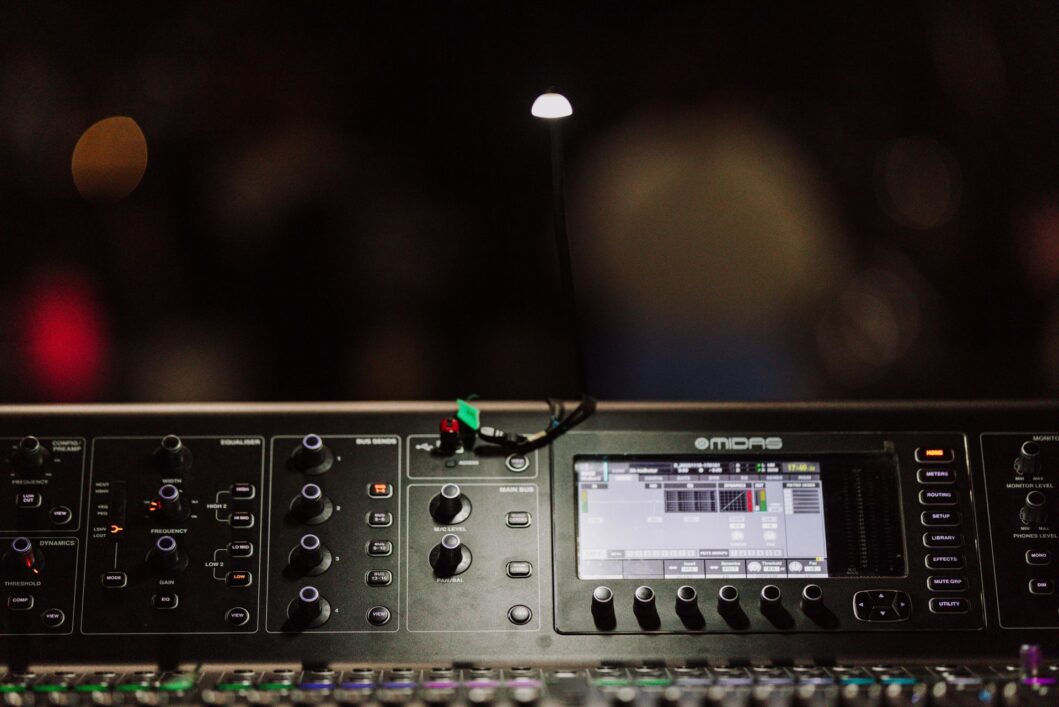
Modern audio production combines creativity with sophisticated technology. Professionals may need to understand recording equipment, digital audio workstations, microphones, mixing consoles, signal processing, acoustics, editing techniques, and different audio formats.
Learning these tools provides a foundation for producing professional-quality work. Formal education can be helpful, but practical experience is equally valuable. Recording personal projects, assisting other professionals, and experimenting with different production techniques can help aspiring audio specialists develop confidence and technical ability.
Creativity Makes Professionals Stand Out
Technical knowledge alone does not create memorable music. Successful producers, composers, engineers, and mixers also need creative instincts.
Understanding how melody, rhythm, harmony, instrumentation, dynamics, and sound texture influence emotion can help professionals create music that connects with audiences. Creativity also involves problem-solving. Every production can present unexpected challenges, and finding original solutions is often what separates an experienced professional from someone who simply knows how to operate equipment.
Learning Through Real-World Experience
The music and audio industries are highly collaborative. Working with composers, musicians, directors, producers, editors, and other professionals provides valuable lessons that cannot always be learned in a classroom.
Real-world projects teach professionals how to manage deadlines, respond to feedback, communicate creative ideas, and maintain quality under pressure. Even smaller projects can become important learning experiences and help build a portfolio that demonstrates a person’s capabilities.
Building Relationships and a Professional Reputation
Networking is another important part of developing a career in audio production. Strong professional relationships can lead to collaborations, recommendations, and new opportunities.
However, networking is more than simply meeting people. A strong reputation is built through reliability, professionalism, respectful communication, and consistently delivering quality work. People are more likely to recommend professionals they trust to handle demanding projects.
Adapting to an Evolving Industry
Technology continues to reshape music production. Artificial intelligence, cloud collaboration, immersive audio, streaming platforms, and increasingly sophisticated production software are creating new possibilities.
Professionals who remain open to learning can adapt more effectively as these technologies develop. Continuous education allows them to expand their skill sets without losing sight of the creative principles that make music meaningful.
Passion With Purpose
Building a successful career in music and audio production is a long-term journey. Passion provides the starting point, but dedication, technical knowledge, creativity, collaboration, and adaptability turn that passion into a profession.
Those who continue improving their craft and embrace both the artistic and technical sides of the industry can create meaningful opportunities for themselves. Ultimately, success comes from understanding that great audio is not produced by technology alone—it is created by skilled professionals who know how to use technology in service of creativity and storytelling.
About the Author
