
The Foundation: Composition and Musical Vision
Every cinematic soundtrack begins with a composer’s vision. After understanding the film’s narrative, tone, and emotional arcs, the composer creates themes that reflect characters, settings, and key moments. This stage often includes writing melodies, arranging orchestration, and developing musical motifs that will appear throughout the film. Collaboration with the director is essential here, ensuring the music aligns with the storytelling goals and enhances the intended emotional impact.
Recording the Score
Once the composition is finalized, the next step is recording the music in a professional studio. This may involve a full orchestra, smaller ensembles, or digital instruments depending on the project’s scope and style. During recording sessions, musicians perform the score while engineers capture each instrument on separate tracks. This multi-track approach allows for greater control in later stages, ensuring that every detail of the performance can be refined and adjusted. Precision during recording is crucial, as it lays the groundwork for a high-quality final soundtrack.
Editing and Sound Design Integration
After recording, the raw audio files are edited to correct timing, remove imperfections, and ensure consistency across all tracks. At this stage, the soundtrack begins to integrate with the film’s overall sound design, which includes dialogue and sound effects. Editors and sound designers work together to ensure that the music complements other audio elements rather than competing with them. This phase is critical for maintaining clarity and ensuring that each component of the film’s audio contributes to the overall experience.
Mixing and Balancing the Sound
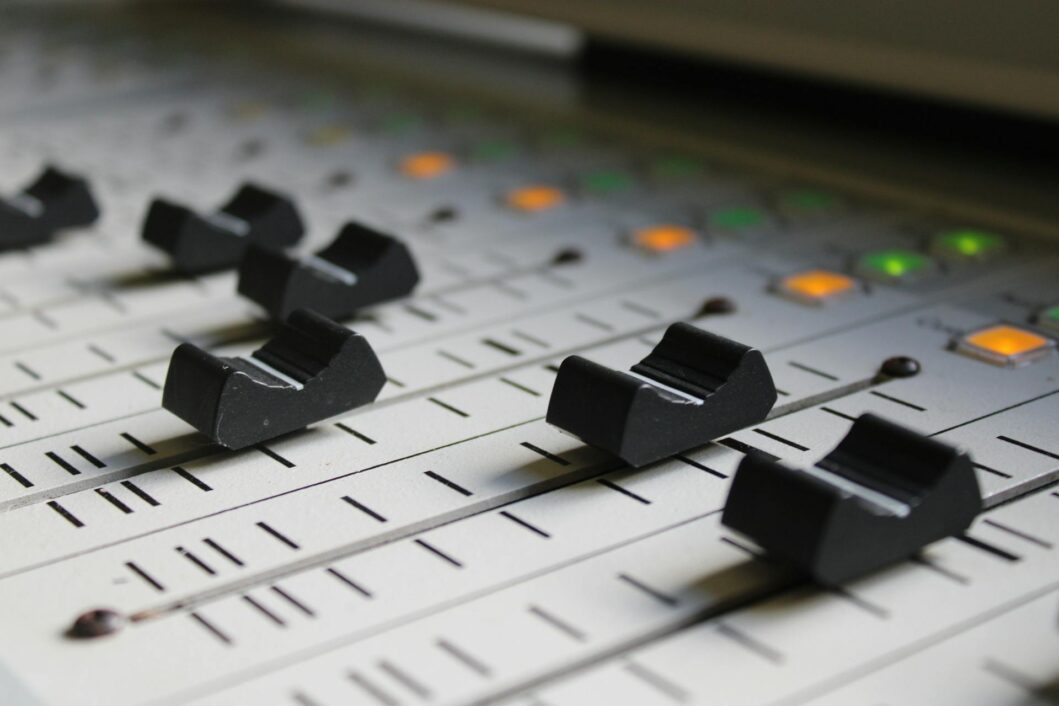
Mixing is one of the most important stages in crafting a cinematic soundtrack. During this process, a scoring mixer balances the various elements of the music, adjusting levels, equalization, and spatial placement to create a cohesive and immersive sound. The mixer ensures that the music supports the narrative without overpowering dialogue or key sound effects. This stage requires both technical precision and artistic judgment, as even small adjustments can significantly impact the audience’s emotional response.
Final Mastering and Synchronization
The final step is mastering and synchronizing the soundtrack with the film. Mastering ensures that the audio meets industry standards for clarity, volume, and consistency across different playback systems. The soundtrack is then carefully aligned with the film’s visuals, ensuring that musical cues match specific scenes and moments. This synchronization is essential for maximizing emotional impact and creating a seamless viewing experience.
Bringing Sound to Life on Screen
From initial composition to final mastering, the process of crafting cinematic soundtracks is a complex and collaborative journey. Each stage contributes to transforming musical ideas into a powerful storytelling tool. When executed effectively, the soundtrack enhances the narrative, deepens emotional engagement, and helps bring the film to life for audiences around the world.
About the Author
