
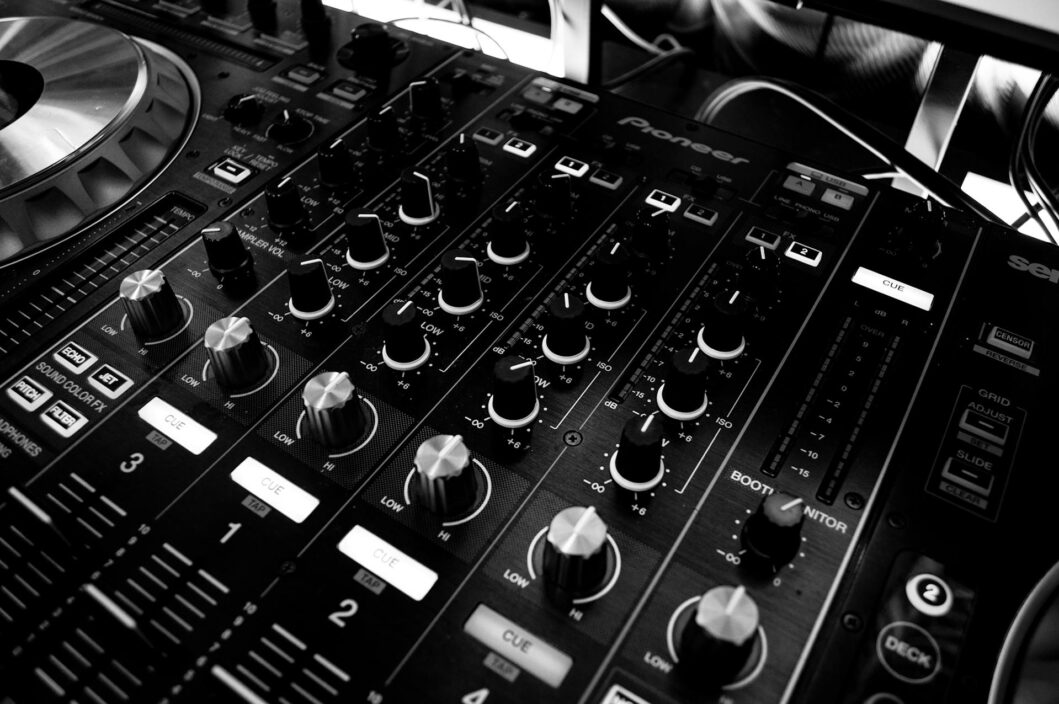
Film score mixing has always been essential to shaping the emotional rhythm and sonic identity of a movie. But as filmmaking has expanded from traditional animation to large-scale live-action productions, the role of the score mixer has evolved dramatically. Today, mixers must navigate a broader creative landscape, adapting their techniques to match the unique demands, styles, and expectations of each format. This progression has transformed film score mixing into a dynamic craft that continues to grow alongside cinematic innovation.
The Unique Demands of Animation
Mixing music for animation presents a distinct set of challenges. Animated films often rely heavily on music to guide emotion, enhance character personality, and support rapid changes in tone. Without the natural sound textures found in live-action footage, the score must carry much of the storytelling energy. Mixers work to balance bold melodies, whimsical motifs, and expressive dynamics that match the vibrancy of animated worlds. Timing becomes especially critical, as music frequently hits precise cues aligned with character movements, comedic beats, or fast transitions.
Adapting to the Realism of Live Action
In contrast, live-action films demand a subtler and more immersive mixing approach. Here, the score must blend seamlessly with dialogue, ambient sound, and intricate sound design. Mixers must consider natural acoustics, on-location sounds, and the emotional intent conveyed through actors’ performances. The challenge lies in enhancing the scene’s realism without overpowering it. Whether supporting a dramatic moment, heightening suspense, or amplifying large-scale action, the mixer ensures the score complements the film’s authenticity and dramatic tone.
Blending Traditional and Modern Techniques
As cinematic styles evolve, score mixers increasingly work with hybrid film scores that blend orchestral arrangements with electronic elements, synthetic textures, and experimental soundscapes. The transition from animation to live action often requires mixers to shift between high-energy, stylized sound and grounded, atmospheric composition. Mastering this versatility demands technical fluency and creative adaptability. Today’s mixers leverage advanced digital tools, surround formats, and immersive audio technologies to deliver mixes that enhance both visual and emotional impact.
Collaboration Across Creative Teams
Regardless of genre, successful score mixing depends on close collaboration with composers, directors, and sound departments. Animated films may require extensive coordination during fast-paced production cycles, while live-action projects often involve detailed integration with complex sound design. In both cases, mixers translate creative vision into a polished sonic experience that elevates storytelling.
The evolution from animation to live action has broadened the art of film score mixing, challenging mixers to innovate while preserving emotional clarity. As filmmaking continues to advance, the craft will remain central to shaping the sound and soul of cinema.
About the Author
